

Compatibility issues with motorcycle flanges can significantly impact the performance, safety, and overall functionality of a motorcycle. As a supplier of motorcycle flanges, I have encountered various compatibility challenges that riders and mechanics often face. In this blog post, I will delve into the common compatibility issues associated with motorcycle flanges and provide insights on how to address them.
Understanding Motorcycle Flanges
Motorcycle flanges are essential components that connect different parts of the motorcycle, such as the engine, exhaust system, and suspension. They play a crucial role in ensuring a secure and stable connection between these components. Flanges come in various shapes, sizes, and materials, each designed to meet specific requirements.
Common Compatibility Issues
1. Size and Fit
One of the most common compatibility issues with motorcycle flanges is the size and fit. Flanges need to be precisely sized to match the corresponding components they are connecting. If the flange is too large or too small, it can lead to a loose or tight fit, which can cause vibrations, leaks, and even damage to the components.
For example, if a flange is not the correct size for an exhaust system, it may not seal properly, resulting in exhaust leaks. This can not only affect the performance of the motorcycle but also pose a safety hazard due to the release of toxic gases. To avoid this issue, it is essential to ensure that the flange size is compatible with the components it is intended to connect.
2. Material Compatibility
Another important aspect of compatibility is the material of the flange. Different motorcycle components are made of various materials, such as steel, aluminum, and titanium. The flange material needs to be compatible with the materials of the components it is connecting to prevent corrosion and other issues.
For instance, if a steel flange is used with an aluminum component, there is a risk of galvanic corrosion, which can weaken the connection and lead to premature failure. To address this issue, it is crucial to choose a flange material that is compatible with the materials of the connected components. In some cases, using a gasket or a protective coating can also help prevent corrosion.
3. Bolt Pattern and Hole Alignment
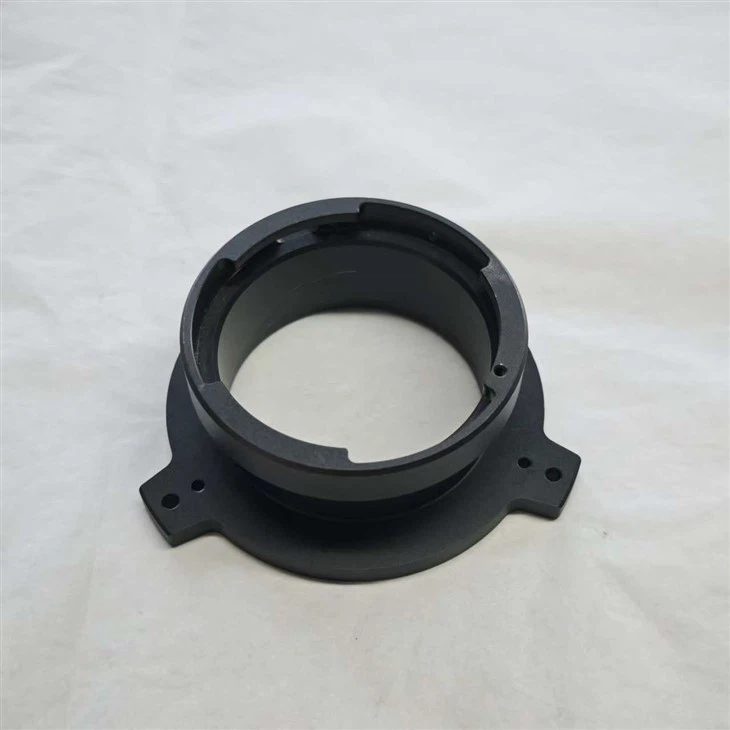
The bolt pattern and hole alignment of the flange are also critical for compatibility. The bolts used to secure the flange need to align properly with the holes in the connected components. If the bolt pattern is incorrect or the holes are not aligned, it can be challenging to install the flange correctly, and the connection may not be secure.
To ensure proper bolt pattern and hole alignment, it is important to refer to the manufacturer's specifications and use the correct bolts and nuts. In some cases, it may be necessary to drill or ream the holes to achieve the proper alignment.
4. Mounting Orientation
The mounting orientation of the flange can also affect its compatibility. Some flanges are designed to be mounted in a specific orientation, and installing them incorrectly can lead to issues such as misalignment, interference with other components, or reduced performance.
Before installing a flange, it is important to carefully read the installation instructions and ensure that the flange is mounted in the correct orientation. This may involve aligning specific markings or using alignment tools to ensure proper installation.

Impact of Compatibility Issues
Compatibility issues with motorcycle flanges can have several negative impacts on the motorcycle. These include:
- Performance Issues: Incompatible flanges can cause vibrations, leaks, and reduced power output. This can affect the overall performance of the motorcycle and make it less enjoyable to ride.
- Safety Risks: Exhaust leaks, loose connections, and other compatibility issues can pose safety risks to the rider. For example, exhaust leaks can release toxic gases, and loose connections can cause components to come loose while riding.
- Premature Wear and Tear: Incompatible flanges can cause excessive wear and tear on the connected components, leading to premature failure. This can result in costly repairs and downtime.
Addressing Compatibility Issues
To address compatibility issues with motorcycle flanges, it is important to take the following steps:
- Research and Consultation: Before purchasing a flange, it is important to research the specific requirements of your motorcycle and consult with a knowledgeable mechanic or supplier. They can provide guidance on the correct flange size, material, and other specifications.
- Quality Assurance: Choose high-quality flanges from reputable manufacturers. Quality flanges are more likely to be compatible with your motorcycle and less likely to cause compatibility issues.
- Proper Installation: Follow the manufacturer's installation instructions carefully to ensure that the flange is installed correctly. This includes using the correct bolts, nuts, and gaskets, and ensuring proper alignment and orientation.
- Regular Maintenance: Regularly inspect the flanges and connected components for signs of wear, damage, or leaks. Replace any worn or damaged flanges as soon as possible to prevent further issues.
Related Motorcycle Components
In addition to motorcycle flanges, there are several other components that are important for the proper functioning of a motorcycle. These include:
- Motorcycle Piston Ring Set: Piston ring sets are essential for maintaining proper compression in the engine. They help prevent the leakage of combustion gases and ensure efficient engine performance.
- Motorcycle Piston Pin: Piston pins connect the piston to the connecting rod. They need to be strong and durable to withstand the high forces and stresses in the engine.
- Motorcycle Accessory Mount: Accessory mounts allow you to attach various accessories, such as lights, mirrors, and luggage racks, to your motorcycle. They need to be securely mounted to ensure the safety and stability of the accessories.
Conclusion
Compatibility issues with motorcycle flanges can have a significant impact on the performance, safety, and longevity of a motorcycle. By understanding the common compatibility issues and taking the necessary steps to address them, you can ensure that your motorcycle runs smoothly and safely. If you have any questions or need assistance with choosing the right motorcycle flanges or other components, please feel free to contact us. We are here to help you find the best solutions for your motorcycle.
References
- Motorcycle Maintenance Manuals
- Manufacturer's Specifications
- Industry Standards and Guidelines


